How Real-World Asset (RWA) Tokenization Is Transforming Finance in 2026
For years, the crypto world was often viewed through the lens of pure speculation. However, as we reach the midpoint of 2026, we are witnessing a fundamental paradigm shift. The tokenization of real-world assets (RWA) is not just a fad; it is the integration of blockchain technology into the global physical economy, allowing assets such as real estate, government bonds, and private debt to be traded as programmable digital assets
What exactly is tokenization (RWA)?
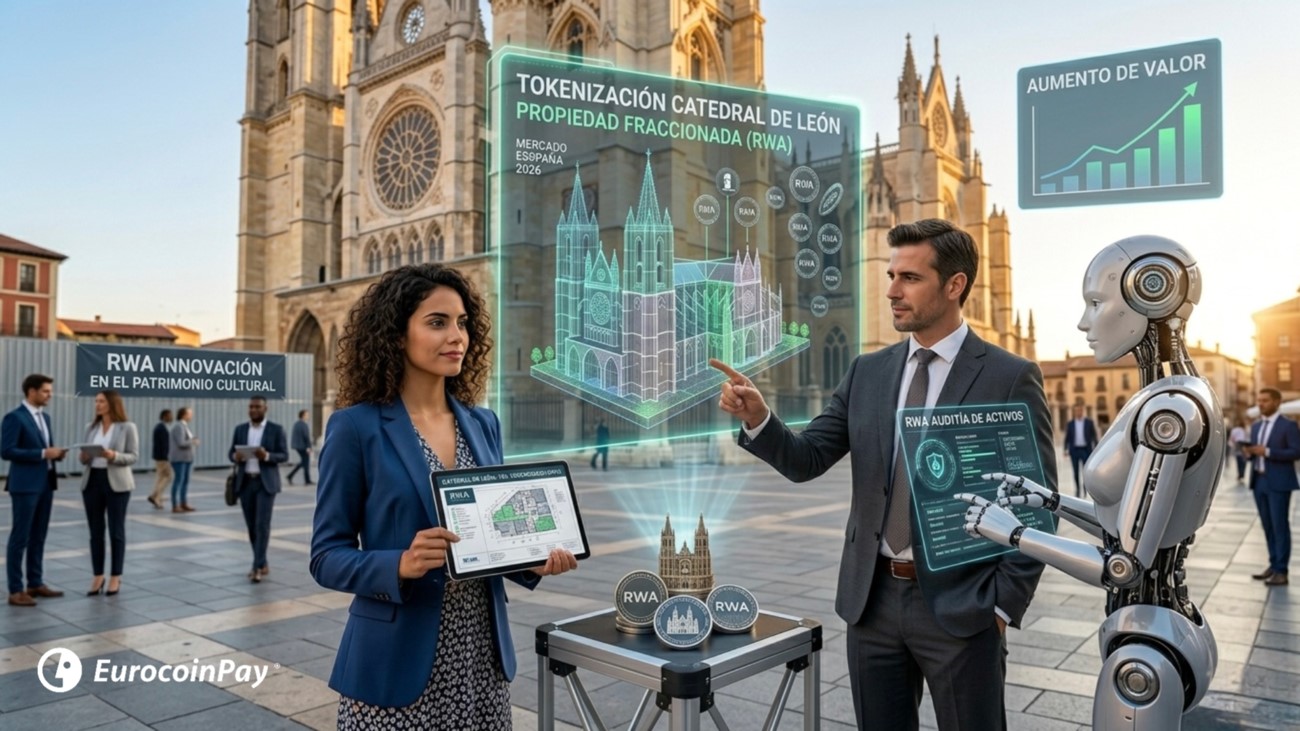
Tokenization involves representing ownership of a physical or financial asset through tokens on a blockchain network.
Previously, only large institutional investors could access high-end real estate investment funds; today, thanks to RWAs, any user can acquire fractions of those assets through tokens, democratizing access to returns.
Historically, selling a building or redeeming funds from a private bond took weeks. However, on the blockchain, the market operates 24/7 and settlement is nearly instantaneous.
Why is 2026 the tipping point?
This year we have seen a convergence of factors that have accelerated adoption:
1º- Clear regulation: Following the consolidation of the regulatory framework (such as MiCA in Europe), traditional financial institutions (investment banks, pension funds) finally have the legal certainty to move assets onto the blockchain.
2º- Operational efficiency: Banks are discovering that managing public debt through shared ledgers reduces administrative costs by 30–40% compared to legacy banking systems.
Crypto Investors and RWAs
How does this impact the average user?
- Enabling true diversification: Your cryptocurrency portfolio no longer needs to be exposed solely to the volatility of native digital assets (such as BTC or ETH). Now you can balance your risk by adding real-world income-generating assets, such as Treasury bond yields or real estate rents, all from the same wallet.
- Through self-custody and transparency: Unlike a traditional securities account where you rely on a custodian, with blockchain-based RWAs, you hold proof of ownership directly at your address, with the ability to audit the asset in real time.
From the “crypto bubble” to financial utility
The success of RWAs marks the end of the “speculative toy” phase for cryptocurrencies. By 2026, we are seeing blockchain become the settlement layer of the global financial system. Investors who understand this transition will be the ones best positioned for the coming decade.
Disclaimer: The information set forth herein should not be taken as financial advice or investment recommendation. All investments and trading involve risk and it is the responsibility of each individual to do his or her due diligence before making a decision.
Original images from EurocoinPay, designed by humans using artificial intelligence.
This article was written using a combination of human and AI-generated content.