The banknote you think belongs to you
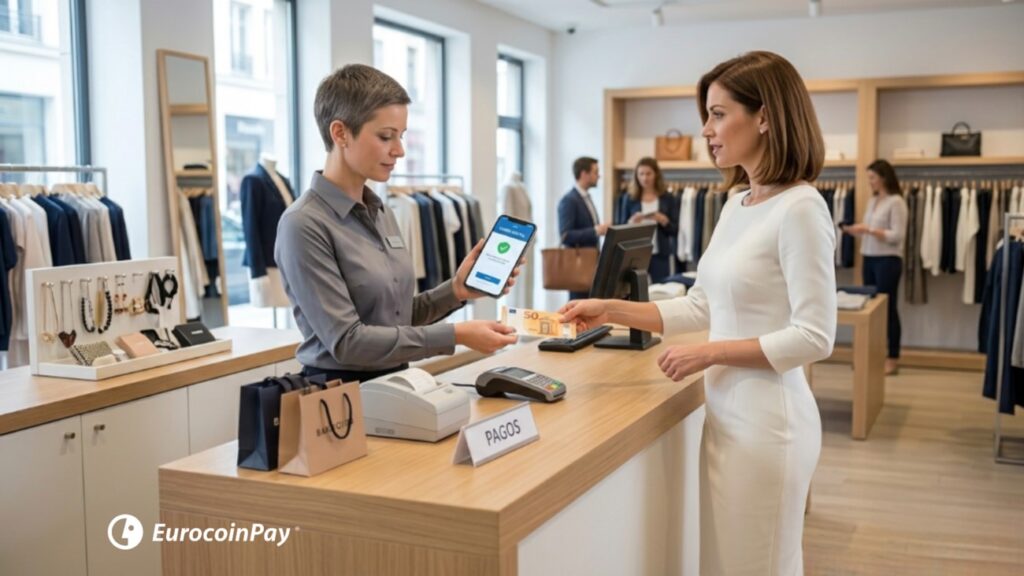
Open your wallet and take a look at a banknote. It is highly likely that you have never stopped to note down its serial number or to claim ownership of that specific physical object. For us, paper money is an anonymous medium of exchange; we care about its value, but we are indifferent to the medium itself.
However, we are facing a paradigm shift where money will cease to be an object and become a permanent digital accounting record. The serial number you ignore today is the blueprint for tomorrow’s control.
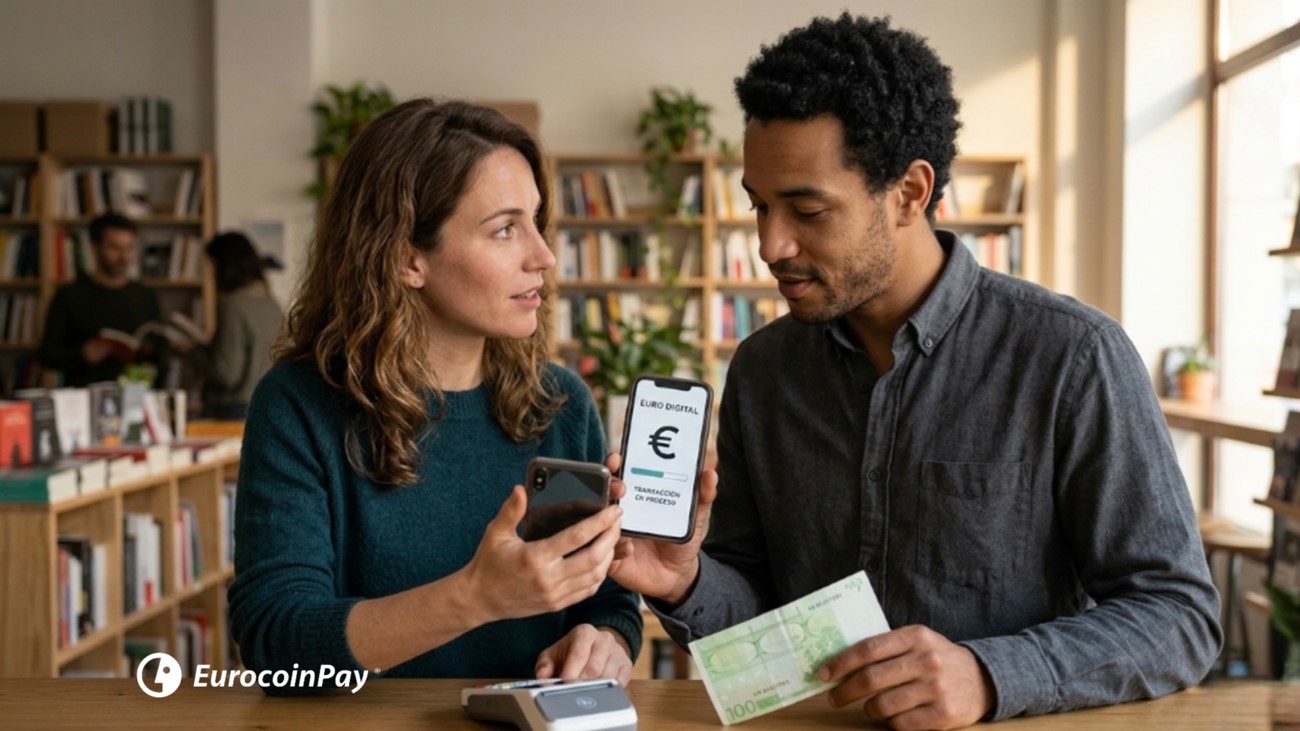
Why is the Digital Euro more than just a banking app?
1. The illusion of serialisation and ephemeral ownership
Physical money operates on the premise of ephemeral ownership. We possess the banknote at a given moment, but its serial number is irrelevant to our personal finances. No one claims a specific banknote by its unique code; we simply use it as a vehicle of value that passes from hand to hand without leaving a trace of its origin.
When you deposit your money in a bank, you are not only seeking convenience, but also undertaking a profound legal transformation; you relinquish ownership of a numbered physical asset in exchange for a credit claim. At that moment, the serial numbers of your banknotes disappear for you. The bank makes an accounting entry, hands that paper over to a third party, and you are left with a promise of payment in a ledger. This detachment from the physical is the perfect bridge to the digital euro. You are already accustomed to your money having no ‘face’, but now, the system will give it back a face you will never forget.
2. The Blockchain Model: From the ‘Seed’ to Infinite Correlation
The transition to the digital euro technically marks the end of ‘monetary oblivion’. Whilst cash allows a transaction to die in the anonymity of the exchange, the digital model proposes what we call infinite correlation.
This concept, inherited directly from blockchain architecture, uses a system of UTXOs (Unspent Transaction Outputs) and cryptographic keys. For a crypto user, every unit of value leaves an indelible trace. There is no longer a generic ‘balance’; there is a chain of digital signatures. We are moving from a system of silent physical objects to one of traceable records in real time. The numbering that nobody used to look at now becomes a digital DNA that the system will remember forever.
3. Sovereignty and Autonomy: The Geopolitical Shield
From a strategic analyst’s perspective, the architecture of the digital euro is not a technical whim, but a survival imperative. The European Central Bank (ECB) seeks to protect the region’s monetary sovereignty against the dominance of foreign payment infrastructures and the growing ‘stablecoinisation’ of the economy.
This structure will safeguard the future of the eurozone through three pillars:
- Monetary Sovereignty: Ensures that money in circulation depends exclusively on European public institutions, not on servers in Silicon Valley.
- Reduced Dependence: Mitigates vulnerability to platforms such as Visa or Mastercard by creating a 100% home-grown payment infrastructure.
- Economic Autonomy: Allows Europe to manage its capital flows with total operational independence from third countries or private tech giants.
4. Countdown to 2026: The future is here
This metamorphosis of value has moved beyond the realm of economic theory to become a reality on the institutional calendar. The transition from abstract planning to technical implementation now has a set date.
Brussels is working to a precise timetable, with the potential first issuance of the digital euro scheduled for 4 May 2026. This date places the end of cash anonymity not in a dystopian future, but on the immediate horizon of our financial reality. In less than two years, the architecture we are discussing today will be the code governing our daily purchases.
Towards a new paradigm of value
The shift from cash to the digital euro represents one of the most profound transformations in the history of money. It is not merely a technological upgrade or the replacement of a card with an app; it is a redefinition of how the state exercises its sovereignty and how citizens relate to their wealth.
We are moving towards a system where geopolitical security and administrative efficiency take precedence over the silence of private exchange. Are we prepared for a world where every unit of value leaves an indelible trail? In the new order of the Digital Euro, the silence of cash will be replaced by the incessant murmur of a ledger that never sleeps. The numbered banknote is dead.
Disclaimer: The information set forth herein should not be taken as financial advice or investment recommendation. All investments and trading involve risk and it is the responsibility of each individual to do his or her due diligence before making a decision.
Original images from EurocoinPay, designed by humans using artificial intelligence.
This article was written using a combination of human and AI-generated content.