The Crypto Power Map: Which countries will dominate the Bitcoin rankings in 2026?
For years, cryptocurrencies were seen as an experiment by internet users. Today, they are key players in state treasuries and the economies of entire nations. But who really has control?
In this article, we analyse the ranking of countries by Bitcoin ownership, levels of citizen adoption and what this ‘digital chess’ means for the global economy.
1. The Giants: Ranking of State Reserves (January 2026)
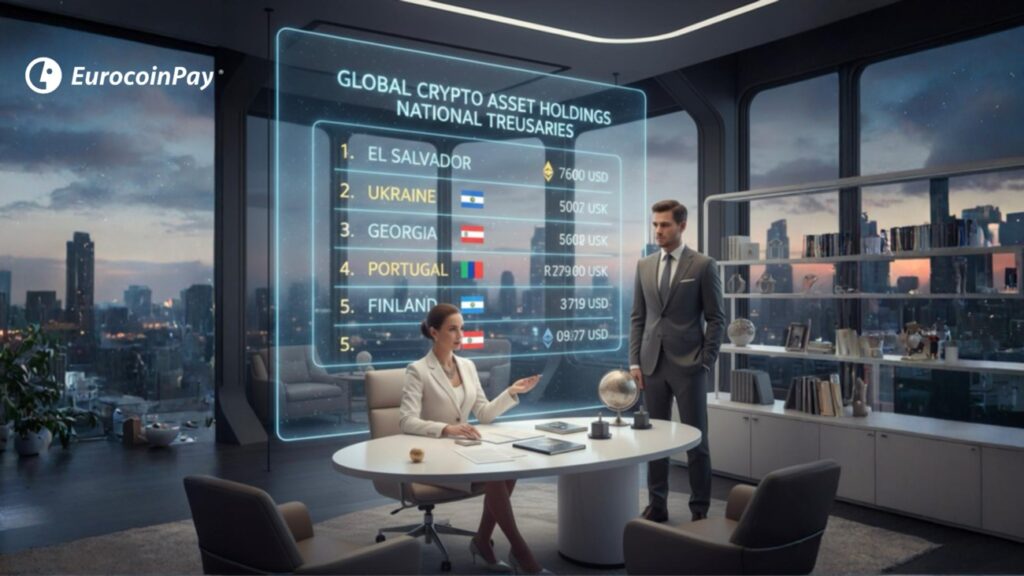
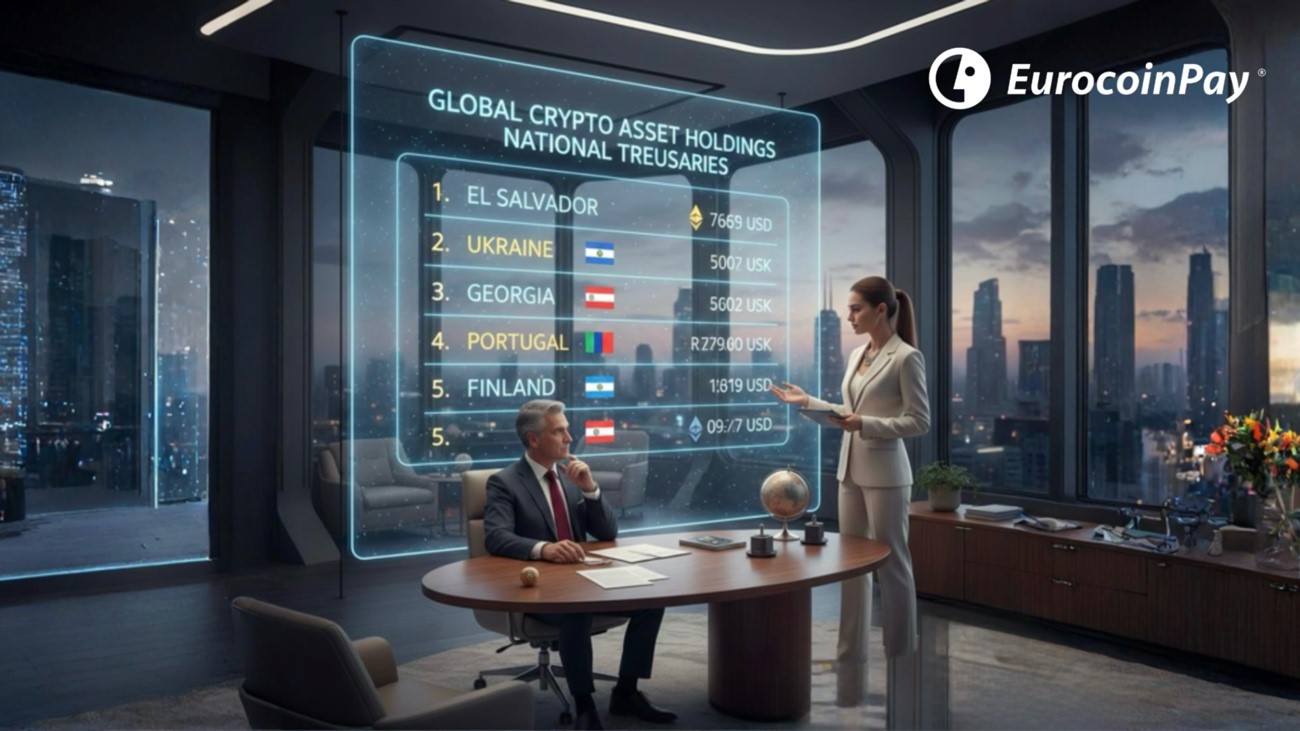
Not all countries obtain their Bitcoins in the same way. Some buy them as a strategy (El Salvador), others mine them (Bhutan), and most obtain them through judicial seizures.
| Country | Estimated State Holdings (BTC) | Main Source |
|---|---|---|
| United States | 328,000 BTC | Seizures (Silk Road, Bitfinex) |
| China | 190,000 BTC | Seizures (PlusToken) |
| United Kingdom | 61,000 BTC | Police seizures |
| Ukraine | 46,000 BTC | Donations and state management |
| El Salvador | 7,500 BTC | Strategic purchase (Treasury) |
| Bhutan | 6,000 BTC | National mining with hydroelectric power |
2. Civic Adoption: Where are cryptos used the most?
What the government has is one thing, but what people do is another. According to the latest adoption indices (such as Chainalysis), the ranking changes dramatically:
- India: Leads in retail use despite high tax rates.
- Nigeria: Cryptocurrencies are a lifeline against inflation of the Nigerian naira (NGN).
- Vietnam and the Philippines: Focused on remittances and Play-to-Earn games .
- Argentina and Venezuela: The use of stablecoins (such as USDT) is widespread to protect savings against devaluation.
Percentage of population: In countries such as Nigeria and Argentina, it is estimated that between 15% and 25% of adults have interacted with crypto assets in the last year.
3. Repercussions: Why does this matter to the rest of the world?
For holding countries:
- Financial sovereignty: Countries such as El Salvador and Bhutan seek to reduce their dependence on the US dollar.
- Treasury Volatility: Holding Bitcoin on the state balance sheet is a roller coaster ride. A ‘crypto winter’ can put the national budget in check.
- Attracting Investment:By regulating and adopting, they become hubs for technology companies (the ‘magnet effect’).
For the rest of the world (global impact):
- Asset validation: When powers such as the US or China hold billions in BTC, it validates the asset’s scarcity, pushing the price up in the long term.
- New rules of the game: State accumulation generates a digital arms race. If one country starts using Bitcoin as a reserve, others are pressured to do the same so as not to be left behind in a possible new financial architecture.
- Liquidation risk: The market fears when a government decides to sell (as has happened with Germany and the US), as massive sales of thousands of BTC can sink the price in a matter of hours.
Conclusion
The 2026 ranking shows us a divided world: Western powers accumulating through legal means, developing nations using it as a shield against inflation, and pioneers attempting to redesign their economies from scratch.
Bitcoin is no longer just a currency; it is a geopolitical asset.
Disclaimer: The information set forth herein should not be taken as financial advice or investment recommendation. All investments and trading involve risk and it is the responsibility of each individual to do his or her due diligence before making a decision.
Original images from EurocoinPay, designed by humans using artificial intelligence.
This article was written using a combination of human and AI-generated content.